


Ever wondered how a DUI conviction changes your life? It’s a big deal in the US. Knowing what a DUI conviction means is key for those dealing with drunk driving laws.
A DUI is not just a traffic ticket. It’s a serious crime that can hurt your job and personal life. It brings legal, money, and social problems that can change your future.
This guide will explain DUI convictions in detail. You’ll learn about legal terms, state laws, and the big effects of drunk driving charges.
Key Takeaways
- DUI convictions are serious criminal offenses with long-lasting consequences
- Legal definitions and penalties vary significantly across different states
- A DUI conviction can impact driving privileges, employment, and personal reputation
- Understanding legal rights and possible defenses is important
- Prevention and making smart choices are the best ways
What is a DUI Conviction?
Driving under the influence (DUI) is a big deal. It means you’re driving while not fully awake or alert. This can lead to serious legal trouble.
A Dui Offense Definition has key parts. These are what police and courts look at to see if you broke the law. Knowing these parts shows how serious it is to drive while not fully awake.
Definition of DUI
DUI means driving a car while alcohol, drugs, or medicine makes it hard to drive. The law says you must be very bad at driving to be considered DUI.
- Blood Alcohol Concentration (BAC) above legal limits
- Impaired motor skills and judgment
- Reduced reaction time while driving
Legal Implications of a DUI
Getting a DUI conviction means you face many legal problems. These can include:
- Criminal record documentation
- Potential license suspension
- Mandatory court appearances
- Possible jail time
Key Components of DUI Law
DUI laws have important parts. They say the driver must be behind the wheel and the car must be moving. The driver must also be very bad at driving.
Proving impairment involves scientific evidence, officer testimony, and field sobriety test results. Each piece of evidence helps build the case against DUI.
How DUI Laws Vary by State
Understanding DUI laws is hard because they change a lot from state to state. It’s important to know the laws in your area. This way, you can avoid big problems.
Every state has its own way of dealing with DUI. This makes it tough for drivers to know what to do. The laws about DUI can change how you get in trouble.
State-Specific Definitions
Even though the federal law says you can’t drive with a BAC of 0.08%, states have their own rules:
- Some states call it DWI (Driving While Intoxicated) instead of DUI
- Commercial and underage drivers have different BAC limits
- What it means to be impaired can vary
Penalties for DUI by State
The punishments for DUI are different in each state:
- Fines can be a few hundred to a few thousand dollars
- How long you can’t drive varies
- What treatment you must get is different too
Variations in Enforcement
States have different ways of catching DUI offenders:
- Some states use sobriety checkpoints a lot
- How field sobriety tests are done can change
- Testing for blood alcohol content is different too
It’s very important to know the DUI laws in your state. Talking to a lawyer who knows about DUI laws can help a lot. They can give you advice that fits your area.
The Process of a DUI Conviction
Navigating a DUI arrest is complex and stressful. Knowing the legal process helps you prepare and make smart choices.
The DUI conviction journey has many important stages. These stages can greatly affect your future. From the arrest to the final court hearing, each step is critical.
Arrest and Charging Process
A DUI arrest starts with a traffic stop or a sobriety checkpoint. Officers look for signs of being drunk, like:
- Erratic driving
- Slurred speech
- Unusual physical coordination
- Alcohol smell
During the arrest, officers might do field sobriety tests and ask for a breath test. Refusing these tests can lead to big problems, like losing your license.
Court Proceedings Explained
The DUI court process has several steps, including:
- Arraignment (when charges are formally presented)
- Pretrial hearings
- Potential plea negotiations
- Trial (if needed)
Possible Outcomes of a DUI Case
DUI cases can end in different ways, like:
- Complete charge dismissal
- Plea bargain to less serious charges
- Conviction with standard penalties
- Conviction with harsher penalties
The outcome depends on the case, your past, and your lawyer’s skill. Getting a good lawyer can really help your case.
Common Misconceptions About DUI Convictions
Understanding DUI charges can be tough. Many myths and misunderstandings confuse people. They don’t get the legal details right.

DUI vs. DWI: Understanding the Legal Terminology
Drivers often get confused about DUI and DWI. These terms are often mixed up, but there are differences:
- DUI means Driving Under the Influence
- DWI stands for Driving While Intoxicated
- Each state has its own laws for these charges
First Offense vs. Multiple Offenses
Many think first-time DUI charges are minor. But, even first-timers face big consequences:
| Offense Type | Potential Consequences |
|---|---|
| First Offense | Fines up to $1,000, License suspension, Mandatory alcohol education |
| Repeat Offenses | Increased fines, Longer license suspension, Possible jail time |
Myths About Legal Limits
Misunderstandings about DUI can lead to big legal problems. Common myths include:
- Thinking you can’t be charged if your BAC is below 0.08
- Believing field sobriety tests are always right
- Assuming you can fool breathalyzer tests
It’s key to know the truth about DUI charges. Getting legal help is important. It can protect your rights during legal battles.
Consequences of a DUI Conviction
A DUI conviction has big effects that last a long time. It’s important to know these effects if you’re facing DUI charges. This helps you understand the legal penalties better.
A DUI conviction affects your life in many ways. It can make things hard for years after the incident.
License Suspension and Reinstatement
DUI penalties often mean you lose your license. How long depends on a few things:
- First-time offenders usually lose it for 6-12 months
- Those with DUIs before lose it for 2-4 years
- Fourth-time offenders might lose it for up to four years
Impact on Insurance Rates
| Offense Type | Potential Insurance Rate Increase |
|---|---|
| First DUI Conviction | 50-100% premium increase |
| Multiple DUI Convictions | 100-300% premium increase |
| High-Risk SR-22 Insurance | Mandatory filing for 3-5 years |
Employment Implications
A DUI can hurt your job chances. Many employers check your background. Some jobs are more strict:
- Commercial driving positions
- Healthcare professions
- Education sector jobs
- Government and security clearance roles
Understanding the effects of a DUI conviction is key. You need to know how to deal with them long-term.
DUI Conviction Appeal Process
Going through a DUI conviction is tough. But, the appeal process might help. It’s important to know your legal options to challenge the conviction.
Grounds for Appealing a DUI Conviction
Not every DUI conviction can be appealed. A DUI case lawyer looks for legal reasons to appeal. These might include:
- Procedural errors during the original trial
- Improper admission or exclusion of critical evidence
- Incorrect jury instructions
- Potential prosecutorial misconduct
- Ineffective legal representation during the initial trial
Steps in the Appeal Process
The appeal process for a DUI conviction has key steps. You need a good legal plan:
- File a notice of appeal within strict time limitations (typically 30-60 days)
- Prepare detailed appellate briefs with your legal arguments
- Submit your documents to the appellate court
- Await the court’s review and any hearings
Importance of Legal Representation
Having a DUI lawyer is very important during appeals. Specialized appellate attorneys know how to make strong arguments. They find legal mistakes that you might miss.
| Appeal Stage | Typical Duration | Potential Outcome |
|---|---|---|
| Initial Filing | 30-60 days | Appeal Acceptance/Rejection |
| Court Review | 3-12 months | Conviction Upheld/Reversed |
| Potential Retrial | 6-18 months | New Trial/Modified Sentence |
A good DUI case lawyer can really help your appeal. They look closely at trial records for legal mistakes.
Alternative Sentencing Options for DUI
Facing a Felony DUI charge can feel overwhelming. But, the legal system offers hope through alternative sentencing options. These options help with rehabilitation and second chances.
Courts know that old punishment might not work for Felony DUI. New sentencing options help people rebuild their lives. They become responsible members of society.
Diversion Programs
Diversion programs let some people avoid a permanent criminal record. They include:
- Mandatory alcohol education classes
- Substance abuse counseling
- Regular drug and alcohol testing
- Community service requirements
Treatment and Rehabilitation
Rehabilitation programs tackle the reasons for impaired driving. Courts might order:
- Outpatient counseling sessions
- Inpatient treatment programs
- Support group meetings like Alcoholics Anonymous
- Ongoing substance abuse monitoring
Community Service Options
Community service lets Felony DUI offenders help their communities. Options include:
- Highway cleanup projects
- Support for local government
- Helping non-profit organizations
- Public awareness about impaired driving
Remember, alternative sentencing is not guaranteed. It depends on individual circumstances, prior offenses, and court discretion.
The Role of Breathalyzers and Blood Tests
Knowing how DUI evidence is collected is key for those seeking legal advice. Breathalyzers and blood tests are vital in finding out if someone has alcohol in their blood. This is during traffic stops and in court.
Police use different ways to find out if a driver has alcohol in their blood. These tools help figure out if a driver is too drunk to drive.
How Evidence is Collected
Legal advice stresses the need to know how evidence is gathered. The main ways to check BAC are:
- Preliminary breath tests at roadside checkpoints
- Evidential breath tests at police stations
- Blood tests done by doctors
Accuracy and Reliability Issues
Even with new tech, breath and blood tests are not perfect. Several things can make them less reliable:
- Devices not set up right
- Tests done wrong by the person taking them
- Medical issues that affect the results
- Blood samples getting contaminated
Rights During Testing
Drivers need to know their rights when getting tested for BAC. Most places have implied consent laws. This means by driving, you agree to tests if you’re suspected of DUI.
Refusing a BAC test can lead to your license being taken away right away. It can also cause more legal problems. Talking to a lawyer can give you advice that fits your situation.
The Significance of Legal Representation
Dealing with a DUI charge is hard and scary. A good DUI lawyer is very important. They help a lot during a tough legal time.
Benefits of Hiring a DUI Lawyer
Having a DUI lawyer helps a lot:
- They know all about DUI laws in your state.
- They can question the evidence and test results.
- They can talk to the prosecutor to get a better deal.
- They protect your rights.
- They might be able to lower your charges or penalties.
Choosing the Right Legal Counsel
Choosing a DUI lawyer needs thought. Look for someone who:
- Knows a lot about DUI defense.
- Has won cases before.
- Knows the local courts well.
Costs and Fees Associated with DUI Cases
Getting a DUI lawyer costs money. But, it can save you a lot in the long run. Prices vary from $2,500 to $10,000, based on the case.
Good legal help can save you money and trouble.
A DUI lawyer knows how to defend you well. They can make your case easier and get you a better result.
Understanding the Legal Blood Alcohol Limit
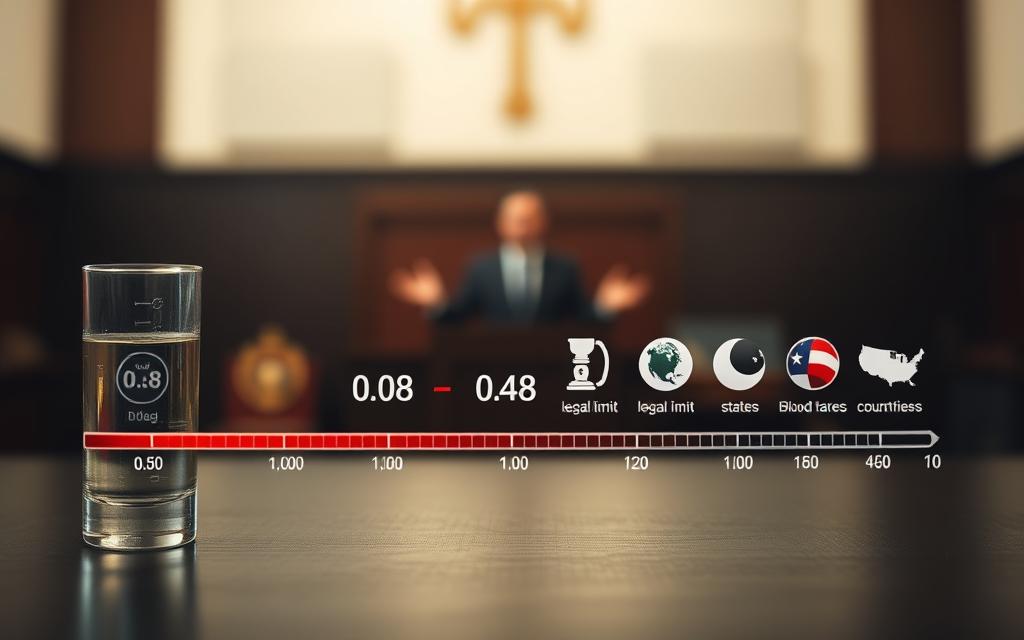
Driving and blood alcohol concentration (BAC) can be tricky. Knowing the legal limits helps avoid DUI charges and keeps roads safe. A drunk driving lawyer can explain BAC rules for different drivers.
National Standards for BAC Limits
The U.S. has set clear BAC rules for drivers:
- Standard drivers (21 and over): 0.08% BAC limit
- Commercial vehicle drivers: 0.04% BAC limit
- Drivers under 21: 0.01-0.02% BAC limit (zero-tolerance policy)
Factors Influencing Blood Alcohol Concentration
Many things affect BAC levels, like:
- Body weight and composition
- Gender
- Rate of alcohol consumption
- Food intake
- Metabolism
Common BAC Myths Debunked
There are many wrong ideas about BAC. Drinking coffee, eating food, or using mints cannot lower BAC. Only time can remove alcohol from your body. A drunk driving lawyer can tell you that being under the limit doesn’t mean you’re safe to drive.
Remember, BAC is key in DUI cases. Talking to a legal expert is important if you face alcohol-related driving charges.
Long-Term Effects of a DUI Conviction
A DUI conviction has big effects that last a long time. It can change your life and work for years. If you face DUI charges, talking to a criminal defense attorney is key.
Criminal Record Implications
A DUI conviction stays on your record forever. This makes it hard in many areas of life. Employers, schools, and licensing boards will see it.
- Jobs that need driving or security clearances are hard to get
- Doctors, lawyers, nurses, and teachers might lose their licenses
- Getting into school or getting scholarships is harder
- It can also hurt your immigration status
Social Stigmatization
A DUI conviction also brings personal challenges. People see drunk driving as very bad.
- It can hurt your reputation at work and with friends
- It can strain your family relationships
- You might lose respect in your community
- It can make you feel ashamed and anxious
Future Legal Challenges
A criminal defense attorney can help with legal problems after a DUI. These problems can happen in many legal situations.
| Legal Area | Potential Impact |
|---|---|
| Child Custody | Used as evidence of poor judgment |
| Subsequent DUI Arrests | Enhanced penalties for repeat offenses |
| Criminal Cases | Potential negative influence on sentencing |
Dealing with a DUI conviction’s effects needs smart legal advice. A good criminal defense attorney can lessen these effects. They help protect your future chances.
Resources for Individuals Facing DUI Charges
Dealing with a DUI charge can feel really tough. But, there are many resources to help. A local DUI attorney or DUI specialist can offer important advice.

People facing DUI charges have many places to turn for help. These resources can guide them through legal issues and personal struggles.
Support Groups and Organizations
Support groups can change lives for those with DUI charges. Some important groups are:
- Alcoholics Anonymous (AA)
- SMART Recovery
- Mothers Against Drunk Driving (MADD)
- Local substance abuse support networks
Legal Aid Options
If you can’t afford a private lawyer, there are other ways to get help:
- Public defender services
- Legal aid societies
- Law school clinical programs
- Pro bono legal representation
Educational Resources
Knowing what to do is key when facing DUI charges. Good places to learn include:
- State Department of Motor Vehicles websites
- National Highway Traffic Safety Administration (NHTSA) materials
- Online legal education platforms
- Local court system informational resources
A DUI specialist can explain these resources and help with your case. Remember, you’re not alone. There are experts ready to help you.
Prognosis for First-Time vs. Repeat Offenders
Understanding DUI laws is key. Knowing the difference between first-time and repeat offenders is important. A good DUI lawyer can explain how the law treats these cases differently.
DUI penalties get tougher with each offense. Many people face legal trouble again and again.
Statistical Insights into Repeat Offenses
Studies show a big problem with DUI repeat offenders:
- About 25-30% of DUI offenders will break the law again.
- High BAC, past alcohol problems, and mental health issues increase the risk.
Sentencing Guidelines for First-Time Offenders
First-time DUI offenders usually get it easier. A DUI lawyer can help with:
- Diversion programs
- Lower charges
- Other sentencing options
Long-Term Behavior Trends
The law tries to help, not just punish. Intervention strategies are key. Courts use education and treatment to stop future crimes.
Knowing these details can help manage the effects of a DUI conviction.
Preventing DUI Convictions: Tips and Best Practices
Keeping yourself and others safe from DUIs is key. It’s all about planning ahead and making smart choices. Even with a top DUI lawyer, stopping DUIs before they start is the best way to avoid big problems.
Safe Driving Strategies for Responsible Alcohol Consumption
Smart moves can lower the chance of driving drunk. Here are some important steps:
- Plan how you’ll get home before you drink
- Know your drink limit
- Eat food with your drinks to slow down alcohol
- Know that alcohol can cloud your judgment
- Realize you can be too drunk to drive even if you’re not over the limit
Designated Driver System
A designated driver is a big help in avoiding DUIs. Good practices for this include:
- Change who’s the driver in your group
- Make sure the driver doesn’t drink at all
- Thank and support the driver for their big role
Modern Transportation Alternatives
Services like Uber and Lyft are great for avoiding DUIs. They’re cheap and safer than the risks of driving drunk. A DUI lawyer’s fees can be high, but a safe ride is worth it.
Stopping DUIs starts with making smart choices. These choices keep you and others safe on the road.
National DUI Statistics and Facts
Driving under the influence is a big problem in the United States. Knowing how many DUI cases there are helps us find better ways to stop them. It also helps people get the right help from top DUI lawyers.
Overview of DUI Incidents in the U.S.
Every year, about 1.5 million drivers get arrested for driving drunk. These cases are very serious and cost a lot of money and hurt people’s lives.
- Around 28% of traffic fatalities involve alcohol-impaired drivers
- Economic costs of alcohol-related crashes exceed $44 billion annually
- Approximately 1 in 3 traffic deaths involves a drunk driver
Demographic Analysis of DUI Offenders
There are certain groups that get arrested for DUI more often. Top DUI lawyers know this and help these groups more.
- Men account for approximately 75% of DUI arrests
- Young adults aged 21-34 represent the highest-risk group
- Weekend and late-night hours show increased DUI occurrences
Trends and Changes Over Time
DUI rates have gone down over the years. This is because of more police checks, stricter laws, and people knowing more about the dangers of driving drunk.
- DUI arrests have decreased by roughly 33%
- Public education campaigns have significantly impacted driving behaviors
- Emerging concerns include drug-impaired driving
If you’re facing DUI charges, talk to a good DUI lawyer. They can help you understand your case and protect your rights.
Moving Forward After a DUI Conviction
Life after a DUI conviction can be tough. But, with the right help, you can recover and rebuild. A DUI defense lawyer can guide you through this tough time. They help you understand your options and take steps to move forward.
Restoring Driving Privileges
To get your driving back, you need a plan. Here are some important steps:
- Complete mandatory suspension period
- Pay all required reinstatement fees
- Provide proof of insurance (SR-22 certificate)
- Complete DUI education programs
- Install ignition interlock device if required
Clearing Your Record
Expungement can clear your DUI record. Not all states allow complete expungement. But, many offer ways to seal or reduce records. You might be eligible if you:
- Complete all sentencing requirements
- Wait a certain time after conviction
- Have no more criminal offenses
- Meet state criteria
Rehabilitation Programs
Recovery is more than just legal steps. Programs can help fix underlying issues and stop future problems. These might include:
- Alcohol treatment counseling
- Support group participation
- Substance abuse evaluation
- Victim impact panels
Having a skilled DUI defense lawyer by your side is key. They help you through these steps. This ensures you take the best path to personal and legal recovery.
Conclusion: Understanding DUI Convictions
Understanding DUI convictions is complex. Our guide has covered the legal, personal, and social sides of driving under the influence. It shows how important it is to behave responsibly and know the law.
DUI convictions affect more than just driving. They can change your job, friends, and future. Each state has its own rules and penalties. It’s key to know these to avoid trouble.
The best way to avoid DUI is to make smart choices. Plan ahead, don’t drink and drive, and know your limits. There are also legal help and support for those in tough spots.
Being aware of DUI laws helps keep everyone safe. Knowing the laws and resources helps make better choices. This keeps you and others safe.
Key Insights from Our Guide
Our guide showed how important it is to know the law and make good choices. This helps avoid legal problems with driving under the influence.
Promoting Community Safety
Safe driving starts with knowing and following the rules. Everyone’s actions help keep roads safe for all in the United States.
Taking Positive Steps Forward
If you’re dealing with DUI issues, get legal help and learn about resources. This can help you grow and become a responsible citizen.






Leave a Reply